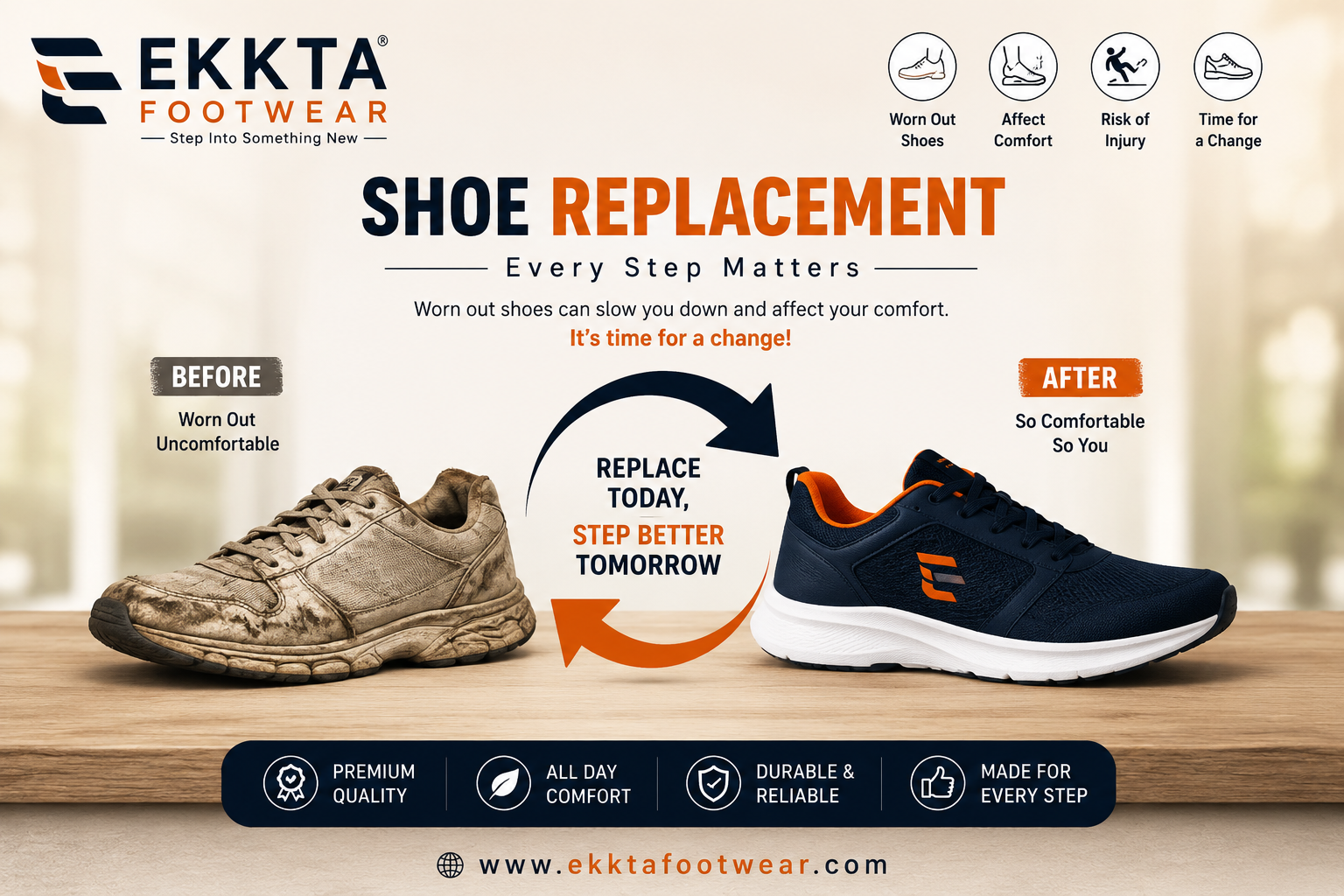
Shoe replacement: Your shoes play a crucial role in providing comfort, support, and protection during everyday activities, workouts, and sports. However, even the highest-quality footwear doesn’t last forever. Over time, constant use causes cushioning to break down, soles to wear out, and materials to lose their flexibility and responsiveness. Wearing worn-out shoes can lead to discomfort, reduced performance, and even an increased risk of injuries. Knowing the signs for shoe replacement is essential for maintaining foot health and overall comfort. Here are five key signs that indicate it may be time to retire your old shoes and invest in a new pair.
Damaged Upper: The Sign for Shoe Replacement
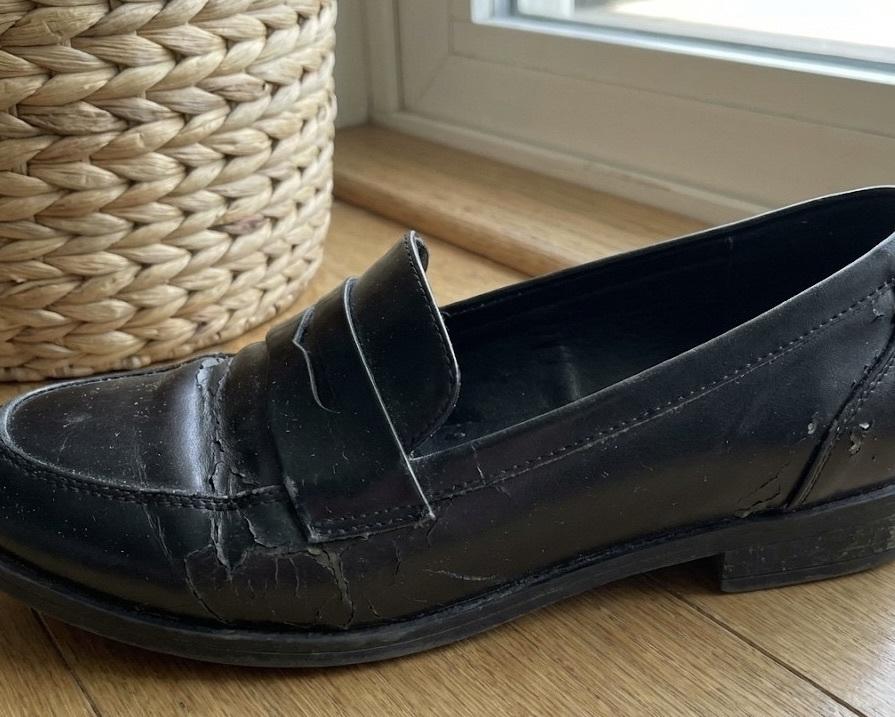
When is the need for shoe replacement? When the upper material of a shoe gets damaged—such as when stitching comes loose or the material tears—dust and water easily seep inside, ruining the shoe’s appearance and making it look less attractive. Furthermore, this damage compromises the original support, fit, and comfort; wearing such shoes for extended periods can lead to fatigue and strain, while walking in them becomes uncomfortable and risky. Additionally, if the shoes are wet or torn, the risk of foot infections increases. So now it’s time for shoe replacement.
Signs of Damage to the Upper Shoes
- The feet do not get proper support.
- The durability and lifespan of the shoes are compromised.
- Both the look and comfort of the shoes are ruined.
- Worn-out shoes look bad and also affect one’s overall personality.
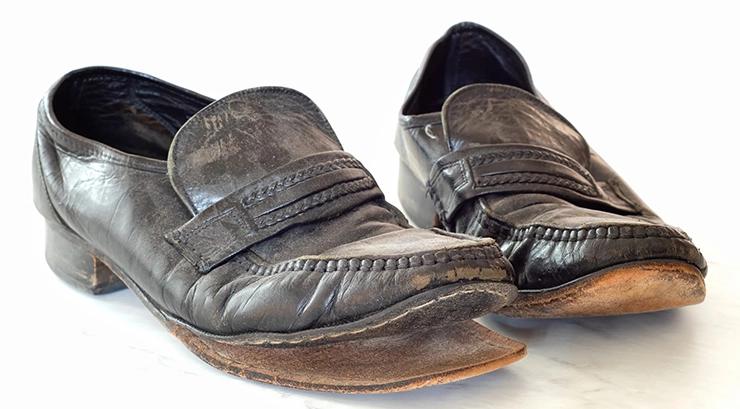
Shoe replacement for altered shape
When shoes become misshapen or distorted, their entire look is ruined, making them unpleasant to wear; then it requires shoe replacement. This loss of shape compromises both support and comfort, increasing the risk of walking difficulties; the heel may twist, and the front section can collapse—giving the shoe a worn-out appearance and causing deep creases to form on the upper. Such distortion causes the shoe to sit unevenly, completely destroying comfort and preventing a proper fit, which often leads to the shoe slipping off while walking. Since the shoe loses its original look and comfort, it is better to replace it rather than deal with these issues.
Signs for a shoe replacement
- There is discomfort while walking,
- The shoes look old, worn out, and dirty.
- The foot slips, and the foot slips out.
- The shoes compromise your balance while walking or standing.
Footwear replacement for Reached Mileage Limit
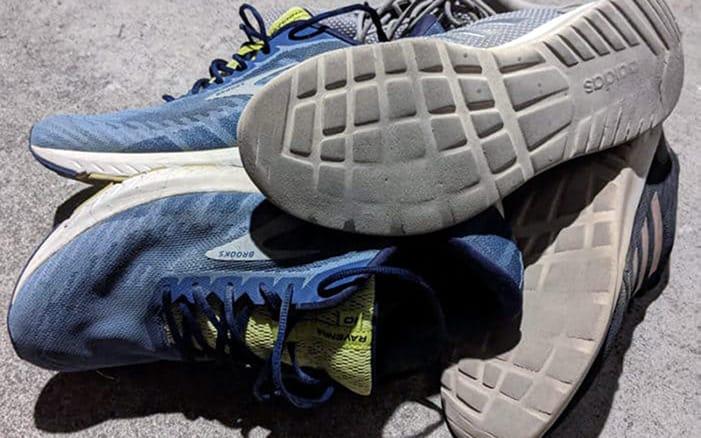
Your shoes may look fine on the outside, but every pair has a lifespan. Most running and walking shoes are designed to last between 300–500 miles (480–800 km), depending on the brand, terrain, and how often they are used. Once your shoes have reached their mileage limit, the cushioning and support begin to break down, reducing comfort and increasing the risk of foot, knee, and joint pain. If you’ve been wearing the same pair for several months of regular use and notice decreased comfort or performance, it’s a strong sign that it’s time to replace your shoes to maintain proper support and prevent injuries. Now it’s time for Shoe replacement
Signs your shoes have reached their mileage limit:
- The shoes no longer provide the same level of support or responsiveness.
- You notice increased fatigue during walks, runs, or workouts.
- Your feet, ankles, knees, or hips feel sore after activity.
- The cushioning feels flat or less comfortable than before.
Loss of Spring and requires shoe replacement
One of the clearest signs that it’s time for shoe replacement is a noticeable loss of spring or responsiveness. When shoes are new, they provide a bouncy, energized feel that helps absorb impact and support natural movement. Over time, the midsole cushioning compresses and loses its ability to rebound, making each step feel flatter and less comfortable. If your shoes no longer feel as supportive or responsive as they once did, and walking or running requires more effort, the cushioning has likely worn out. Replacing your shoes at this stage can help restore comfort, improve performance, and reduce the risk of strain or injury. Now it’s time for a shoe replacement
Signs of footwear upgrade:
- You notice increased pressure on your feet and joints.
- The midsoles appear compressed or permanently flattened.
- Running or walking feels more tiring than before.
- Each step lacks the usual bounce or energy return.
- Your shoes feel flat and less cushioned underfoot.
Reduced Flexibility and sign for shoe Upgrade
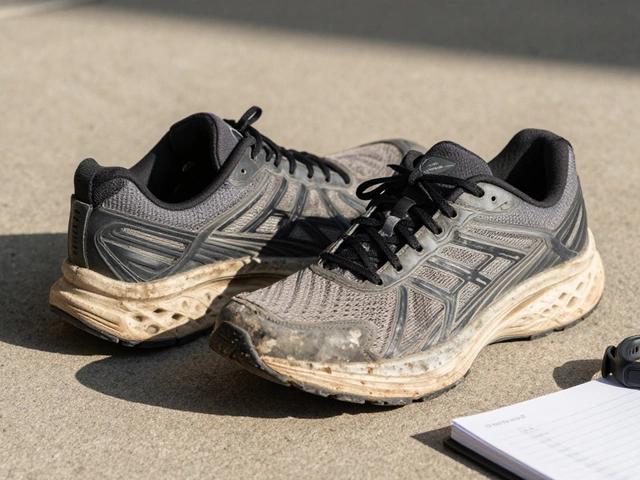
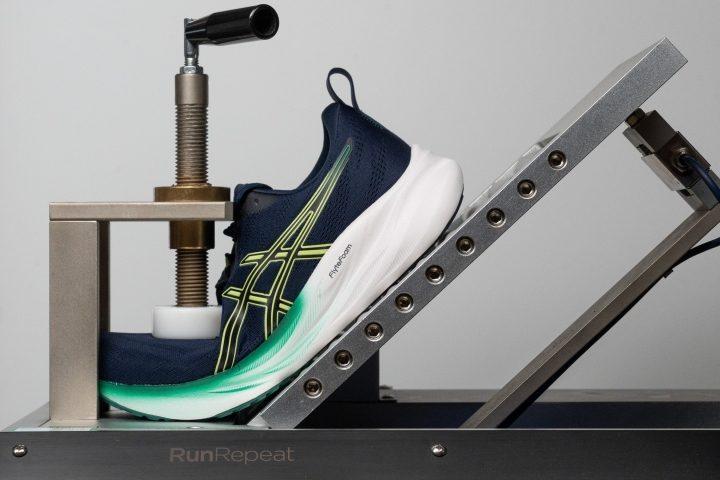
Reduced flexibility is another key indicator that your shoes may need replacing. Quality footwear should bend naturally with your foot, allowing for smooth and comfortable movement. As shoes age, the materials in the sole and upper can become stiff, making them less flexible and more restrictive. This loss of flexibility can affect your walking or running mechanics, leading to discomfort, fatigue, and even a higher risk of injury. If your shoes feel rigid, difficult to bend, or no longer move naturally with your feet, it may be time to invest in a new pair that provides the flexibility and support your activities require.
Signs of Reduced Flexibility, Shoe Replacement:
- Your feet feel more fatigued after regular activities.
- The shoe creases unevenly or no longer moves with your foot.
- You experience discomfort when your foot pushes off the ground.
- Walking or running feels less natural than before.
- The sole feels stiff and difficult to bend.
Signs for shoe replacement at the right time are essential for maintaining comfort, support, and overall foot health. While it can be tempting to continue wearing a favorite pair, ignoring signs of wear can lead to discomfort, reduced performance, and a greater risk of foot, knee, and joint problems. Whether your shoes have a damaged upper, have lost their shape, have exceeded their mileage limit, have lost their spring, or have become less flexible, these warning signs indicate that they are no longer providing the protection and support your feet need. By regularly inspecting your footwear and replacing worn-out pairs when necessary, you can enjoy better comfort, improved performance, and healthier movement in your daily activities.